
The fur dryalso known as xerodermia, is a common skin condition characterized by loss of hydration in the skin. This lack of moisture creates a rough texture and can affect people of all ages. This condition manifests itself through areas that look and feel rough, scaly, and sometimes itchy. In more severe cases, bleeding cracks or peeling areas may appear.
Various factors can cause dryness, such as climate cold or dryprolonged exposure to the sun, the use of aggressive soaps and excessive bathing. Age, environment, and certain health conditions also increase the likelihood of developing xerosis. According to and , It can occur temporarily or persist over time.and its symptoms may vary depending on skin tone and other individual factors.
Although it is usually a mild discomfort, can lead to complications if not addressed properly. Among the associated problems are the appearance of atopic dermatitis (eczema), skin infections resulting from deep cracks and increased sensitivity to external irritants. Fissures can facilitate the entry of bacteria, increasing the risk of infections and making it difficult to recover the skin barrier.
How to Choose the Right Moisturizer for Dry Skin
A good choice can make a difference in daily well-being. Given the wide range of products, recommendations from dermatologists help clarify which are the best options and which ingredients should be avoided or prioritized. The essential thing is look for products that really provide hydration and protectionbeyond advertising promises or high prices.
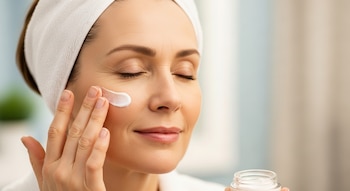
According to dermatologist Alejandra Estemalik, cited by the , the ideal is to opt for creams (not lotions) for the bodysince lotions usually contain more water and alcohol, which can intensify dryness. For the face, a light lotion or gel is preferableexcept in cases of very dry skin.
When analyzing the ingredients, Dr. Estemalik emphasizes that price does not determine effectiveness. What is relevant is the presence of components of three types: humectants, occlusives and emollients. Humectants like hyaluronic acid, lactic acid, urea, and sorbitol draw moisture to the outermost layer of the skin. Occlusives, such as dimethicone, lanolin and petroleum jelly, help prevent water loss, enhancing hydration. Emollients, on the other hand, fill cracks and soften the skin surface, with ingredients such as mineral oil, shea or ceramides.
Both the like the agree on the importance of choosing gentle products, Fragrance-free and botanical extract-freesince these can trigger allergies and irritations. Additionally, they recommend using ointments or creams, instead of lotions, because they hydrate and protect dry skin better.
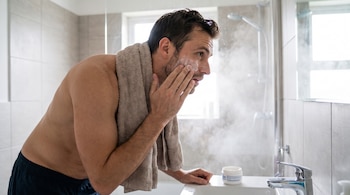
As for the face areathe professional advises select non-comedogenic productswith mineral sunscreen (such as zinc oxide or titanium dioxide) and, if possible, anti-aging ingredients such as vitamin C or retinol. A good choice involves looking for formulas prioritizing moisturizing and protective function over price or brand.
Strategies to care for your skin beyond creams
Limiting the duration and temperature of showers is one of the most repeated recommendations. Dermatologists suggest restricting baths to a maximum of five to ten minutes and always using warm water instead of hot. When the temperature is high, the skin’s natural oils are eliminated, weakening the protective barrier and promoting dryness. Furthermore, they advise Gently pat your skin dry and leave it slightly damp before applying moisturizer.thus optimizing moisture retention.
The use of gentle, fragrance-free cleansers It is another pillar in the care of dry skin. Both the like the they insist on avoid harsh soaps, deodorants and scented productsas they can irritate or damage already vulnerable skin. Experts also recommend using cleansers only in areas where it is really needed, such as armpits and groin.

The wardrobe also influences. Experts advise wearing loose cotton clothing, avoiding rough fabrics such as wool or polyesterwhich enhance irritation and dryness. Hands, being one of the most affected areas, require additional protection, so it is suggested to use gloves when washing dishes or handling cleaning products.
Reduce the frequency of showersas advised by dermatologist Alejandra Estemalik of the can be key. Showering daily can cause small cumulative micro-irritations to the skin barrier.making the skin more susceptible to infections and breakouts, especially in people with eczema.
Finally, specialists insist on consult a dermatologist if home measures fail to improve skin condition. The professional can advise on specific treatments and rule out underlying problems.
Source: Infobae

