
The humidifiers They are devices designed to increase environmental humidityadding steam or microdroplets of water to the air in indoor spaces. Its use is common in homes, offices and environments where dryness levels may be uncomfortable or affect general well-being. There are different types, which vary in operation and capacity depending on the needs and size of the space to be conditioned.
The basic principle of these devices consists of releasing water into the air, which modifies the amount of vapor present and helps maintain adequate humidity levels. There are several models, each with specific mechanisms to transform water into fine particles or vapor, which are then dispersed into the environment. Choosing between one type or another depends on factors such as the size of the area, ease of maintenance and personal preferences.
The main function of a humidifier is to counteract the dryness of indoor aira phenomenon that can intensify during winter or in areas with heating and air conditioning systems. By regulating environmental humidity, these devices allow maintain a more comfortable environment adapted to the required conditions in different contexts.
The health benefits of humidifiers
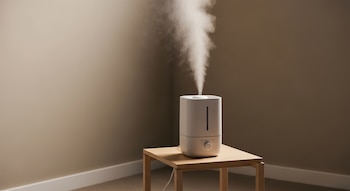
Home use may transform air quality and bring notable improvements to daily health and well-being. Various studies and recommendations from specialists support its positive effects, especially in dry and cold weather seasons or in spaces with heating or air conditioning.
Relief of respiratory symptoms and congestion
Dry air can cause nasal congestion, persistent cough, and dry airways. According to the , Keeping the airways hydrated promotes their functioning and helps thin mucuswhich facilitates cough and nasal relief. Additionally, the use of humidifiers can reduce the frequency of episodes such as nosebleeds and dry mouth during the night, promoting more restful sleep.
for its part, highlights that adding humidity to the environment can relieve symptoms such as dry cough, sore throat, and dry eyesreleasing trapped mucus. The points out that cold mist models can relieve congestion in children with colds, as long as they are kept in adequate hygienic conditions. These discomforts can be prevented as long as humidity is maintained between 30% and 50%.
Prevention of dry skin, hair and lips
Dry air favors the evaporation of natural moisture from the skin, lips and hair, causing them to crack, dry out or become brittle. The emphasizes that an environment with just the right humidity reduces the likelihood of cracking, itching and dry skin in winter. In addition, it mentions that hair can become more resistant and shiny and that nails also benefit by gaining thickness and flexibility.
reinforces that people often notice dry skin or chapped lips in the cold months or in spaces with central heating, and that the Using humidifiers helps reduce these problems. For its part, the warns that low humidity can cause itchy eyes and skin discomfort, suggesting the use of humidifiers or the application of creams to counteract these effects.
Other important benefits
They not only provide health benefitsbut also for the home environment. A study indicates that maintaining humidity above 40% can deactivate influenza virus particles in the air, reducing the risk of contagion. Additionally, raise the ambient humidity can reduce snoringsince well-hydrated airways are better lubricated, which reduces friction when breathing during sleep. Both the as agree that humidity helps protect furniture, floors and plantsavoiding the cracking of materials and the accumulation of static electricity. A humid environment can also make the air feel warmer, saving energy in winter.
Types of humidifiers and recommendations for use
There are various humidifier technologieseach one adapted to different needs and domestic contexts. Choosing the right model depends on the size of the space, ease of maintenance, and the health conditions of those who use it.
The central humidifiers They are integrated into the heating and air conditioning systemallowing you to regulate the humidity of the entire home. They are the most effective option for maintaining stable humidity levels, although they require a greater investment and regular maintenance. This type is recommended by the and the for those looking for a comprehensive and low-profile solution on a daily basis.
The evaporators They employ a humidified filter and a fan to disperse humidity in a room. According to the and these devices are more affordable and effective in individual spaces, although they can raise the humidity too much if used excessively, which could encourage mold growth, especially in people with asthma.
The vaporizers They heat water with electricity and release cooled steam into the environment. Although they are portable and easy to move, experts recommend caution, since hot water can cause accidental burns, so they are not recommended in children’s rooms.
Lastly, the ultrasonic humidifiers They produce a cold fog. They are silent and efficient, as emphasized by the and and are available in both cold and warm steam models, adapting to different preferences and domestic needs.
Source: Infobae

